كيف تؤثر محتويات الكربون والكبريت على خصائص المواد
في تصنيع المواد، لا تنشأ العديد من مشكلات الأداء من الهياكل المرئية، بل تكون كامنة داخل العناصر النزرة.الكربون (C) والكبريت (S) هما أكثر الأمثلة شيوعًا. حتى عند التركيزات المنخفضة، فإنهما يؤثران بشكل مباشر على خصائص المواد.
من معالجة المعادن وتطوير المواد الجديدة إلى تصنيع الآلات وصناعات الطاقة والكيماويات، أصبح التحكم الدقيق في الكربون والكبريت جزءًا أساسيًا من إدارة جودة المؤسسات.
عناصر حرجة يُستهان بها: الكربون والكبريت
في معظم الأنظمة المعدنية وأنظمة المواد: يتحكم الكربون في قوة المواد وصلابتها، كما يؤثر في المتانة وقابلية التشغيل الآلي. يؤدي الكربون الزائد كشوائب إلى تدهور التوصيل الكهربائي.
يؤثر الكبريت عادةً على لدونة المواد وقابليتها للحام واستقرارها في درجات الحرارة العالية.
يمكن أن تؤدي التقلبات في محتويات الكربون والكبريت إلى اختلافات واضحة في الأداء، سواء في أنواع الفولاذ أو السبائك أو بعض المواد الوظيفية. لذلك، يُعد الاختبار المستقر والقابل للتحكم لهذين العنصرين شرطًا أساسيًا لضمان جودة المنتج المتسقة.
كيف يتم إجراء تحليل الكربون والكبريت؟
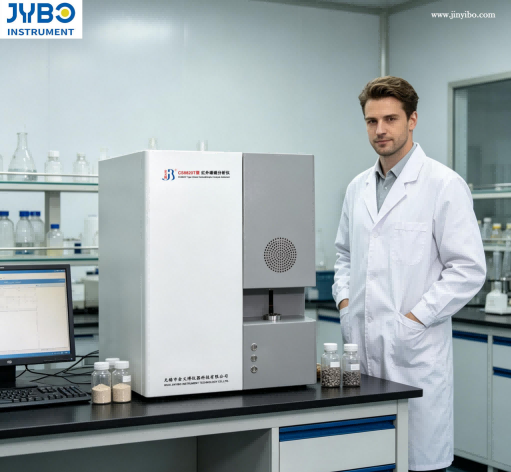
في الوقت الحالي، يتم اعتماد محلل الكربون والكبريت بالأشعة تحت الحمراء عالية التردد CS8820T على نطاق واسع في المختبرات ومواقع الإنتاج.
مبدأ عمله الأساسي: تُحرق العينات عند درجة حرارة عالية.يتم تحويل الكربون والكبريت إلى CO₂ وSO₂ على التوالي، ويتم قياسهما كميًا من خلال الكشف بالأشعة تحت الحمراء.
ميزات محلل الكربون والكبريت بالأشعة تحت الحمراء عالية التردد CS8820T
• كفاءة اختبار عالية، مناسبة للتحليل السريع لعينات الدُفعات
• حساسية ممتازة، قادرة على اختبار محتويات العناصر منخفضة المستوى
• دقة مستقرة مع قابلية تكرار جيدة لمراقبة الشوائب النزرة في المواد الموصلة
• نطاق تطبيق واسع يشمل الفولاذ والمعادن غير الحديدية والخامات وبعض المواد غير المعدنية
يساعد التحكم الدقيق في مؤشرات الكربون والكبريت المؤسسات على تجنب مخاطر الجودة مثل تشقق المواد وضعف القوة وفشل اللحام من المصدر. يوفر محلل CS8820T دعمًا موثوقًا بالبيانات لفحص المواد الخام الواردة ومراقبة عمليات الصهر واختبار المنتجات النهائية، مما يتيح التحكم في الجودة خلال العملية بأكملها.
الأسئلة الشائعة
س1: لماذا يمكن أن يحقق الاحتراق بالحث عالي التردد مع الكشف بالامتصاص بالأشعة تحت الحمراء حساسية عالية للغاية لتحليل الكربون والكبريت فائقَي الانخفاض؟
ج1: تعمل التسخينات بالحث عالي التردد، المدعومة بمسرّعات متخصصة، على صهر العينة بسرعة واحتراقها بالكامل خلال ثوانٍ، مما يحول كل الكربون والكبريت الموجودين إلى CO₂ وSO₂ . يمر غاز الاحتراق عبر أنظمة المعالجة المسبقة لإزالة الغبار والتجفيف قبل دخوله إلى خلية الكشف بالأشعة تحت الحمراء. لأن CO₂ و SO₂ تُظهران قمم امتصاص فريدة للأشعة تحت الحمراء، يقيس الكاشف بالأشعة تحت الحمراء امتصاص الغاز النزري بحساسية عالية وخطية جيدة، محققًا تقديرًا كميًا عالي الدقة للكربون والكبريت حتى مستوى جزء في المليون.
السؤال 2: ما العيوب الفيزيائية والميكانيكية المحددة التي يسببها عادةً المحتوى الزائد من الكبريت في أنواع الفولاذ ومواد السبائك؟
الإجابة 2: يتفاعل الكبريت بسهولة مع الحديد لتكوين كبريتيد الحديدوز منخفض نقطة الانصهار (FeS)، والذي يتوزع على طول حدود الحبيبات في نمط شبكي. أثناء عمليات التشغيل على الساخن بين 800–1200℃—مثل الطرق أو الدرفلة—ينصهر FeS الموجود عند حدود الحبيبات، مما يتسبب في تشقق المادة تحت الإجهاد، وهي ظاهرة تُعرف باسم الهشاشة الساخنة (أو الهشاشة الحمراء). بالإضافة إلى ذلك، تؤدي الشوائب غير المعدنية من الكبريتيدات إلى تعطيل استمرارية مصفوفة المعدن، مما يضعف بشكل كبير لدونة المادة، ومتانة الصدمات، ومقاومة التعب، وقابلية اللحام.
يرجى التواصل معنا للاستفسارات الإضافية أو للحصول على معلومات مفصلة!
الهاتف:+86-183-5283 6805
البريد الإلكتروني:sales@jinyibo.com
الموقع الإلكتروني:www.jinyibo.com