High-Frequency Infrared Carbon & Sulfur Analyzer | Carbon-Sulfur Testing Solution for LMFP (Lithium Manganese Iron Phosphate)
Meta Description: As a next-gen lithium-ion cathode material, lithium manganese iron phosphate requires strict carbon and sulfur testing for production quality control. Our high-frequency infrared carbon-sulfur analyzer adopts the high-frequency combustion infrared absorption method to deliver fast, accurate total carbon and total sulfur analysis for LMFP, ideal for battery material labs and in-line quality inspection.
Driven by upgrades in energy storage and EV battery sectors, lithium manganese iron phosphate (LMFP) stands out as a promising cathode material thanks to its high energy density and excellent safety performance. Carbon and sulfur testing is an indispensable quality control step in LMFP mass production. Coating carbon directly governs the material’s conductivity, while sulfur contaminants can trigger gas generation inside cells, electrode corrosion and accelerated capacity fade. Even trace sulfur above specification may lead to large-scale quality failures. To meet the demand for fast, stable carbon-sulfur measurement of LMFP, carbon sulfur analyzers have become the industry’s go-to testing equipment.
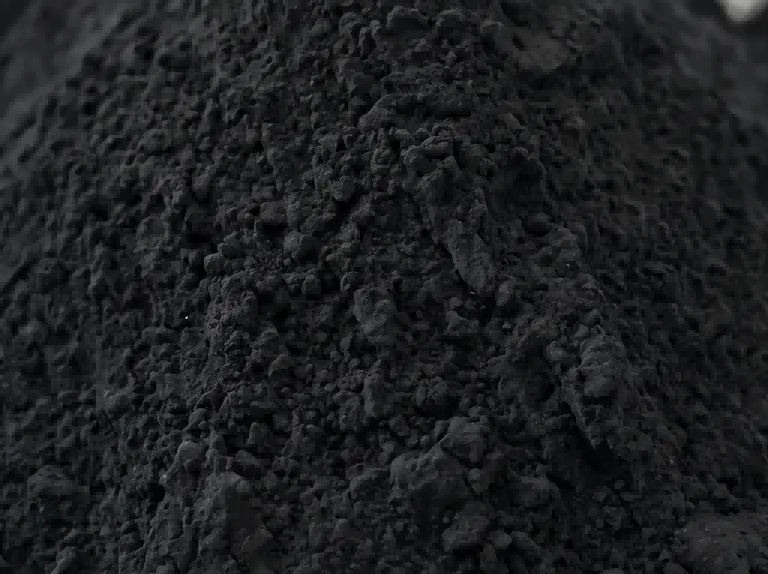
LMFP is a non-conductive inorganic powder and cannot be ignited directly inside a high-frequency induction furnace — this is the primary challenge for carbon and sulfur analysis. The standard workflow uses high-purity oxygen as the carrier gas, paired with low-blank iron flux for arc initiation and tungsten granules as fluxing agents. Under high temperature in the high-frequency furnace, the sample melts and combusts. Carbon in the sample converts into CO₂, and sulfur converts into SO₂. The carrier gas transports combustion products into the infrared detection cell. Concentrations are quantified based on the Beer-Lambert Law to obtain total carbon and total sulfur readings rapidly. This method delivers fast testing speed and high sensitivity, well suited for incoming material inspection, finished product release testing and R&D validation at third-party laboratories.
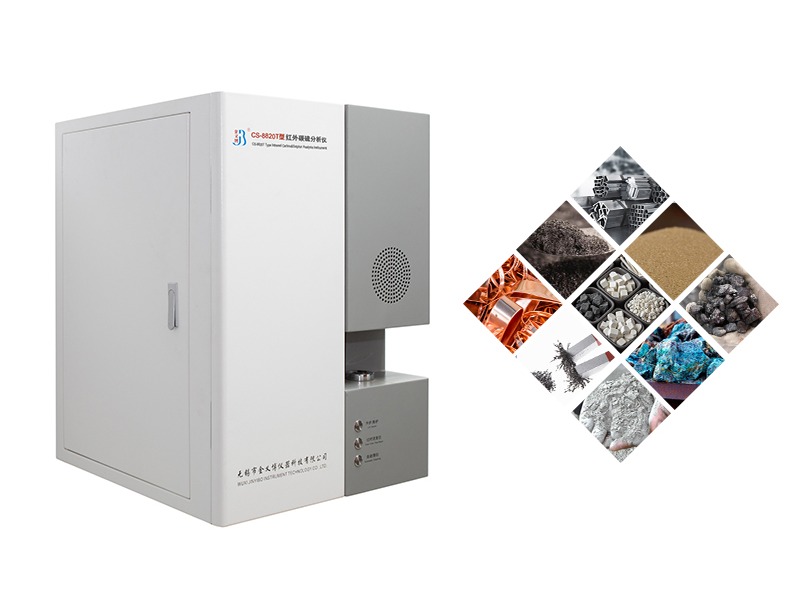
JYBO Instrument’s high-frequency infrared carbon-sulfur analyzer features an adaptive-power high-frequency combustion system, high-precision infrared detection cells, oxygen purification and automatic dust removal modules. It is specially optimized for common pain points of lithium battery powders: sample spattering, slag formation from the matrix and signal drift for low-level sulfur at ppm range. It effectively reduces adsorption interference caused by phosphate matrices and ensures reliable repeatability and recovery rates for LMFP carbon and sulfur tests. The instrument supports multi-point calibration, real-time release curve display, balance connection and automatic data export. It complies with ISO 9556 and ISO 4935 standards. Beyond LMFP, it also handles carbon-sulfur analysis for LFP, graphite, ores and metallic materials.
According to industry testing specialists, standardized operating procedures are critical for LMFP carbon-sulfur analysis. Ultra-low blank ceramic crucibles must be pre-fired at high temperature to eliminate background contamination. Sample weight and flux loading sequence need tight control. Since certified reference materials matched to the LMFP matrix are not yet widely available, the industry commonly uses steel reference standards to build calibration curves, with spike-and-recovery tests to verify method accuracy and trustworthy data.
The lithium battery supply chain keeps tightening impurity limits for cathode materials. Consistent, capable carbon-sulfur testing is essential for LMFP manufacturers to control raw materials, sintering processes and finished product grading. This high-frequency infrared carbon-sulfur testing solution balances throughput and low detection limits. It helps new energy material companies build standardized QC workflows, mitigate battery failure risks and support large-scale, high-quality LMFP commercialization.
FAQ
Q: Why test carbon and sulfur for lithium manganese iron phosphate (LMFP)?
A: Carbon serves as the conductive coating on LMFP and impacts conductivity and rate performance. Sulfur is a harmful impurity that causes cell gassing and cycle degradation, making it a critical QC parameter for cathode materials.
Q: What equipment is used for LMFP carbon and sulfur testing?
A: The industry standard is a high-frequency infrared carbon-sulfur analyzer, working on the high-frequency combustion infrared absorption principle with a matched flux system.
Q: What are the main challenges of LMFP carbon-sulfur measurement?
A: LMFP powder is non-conductive and requires flux to initiate combustion. Phosphate slag formed at high temperature tends to encapsulate samples and adsorb SO₂. Low-level sulfur testing places strict requirements on instrument dust removal and gas path purification.
Please contact us for further inquiries or detailed information!
Tel:+86-183-5283 6805
Email:sales@jinyibo.com
Web:www.jinyibo.com