مزايا مطياف التألق بالأشعة السينية المشتتة للطاقة في الكشف عن الخامات
أولاً: المبدأ
المبدأ الأساسي لـ
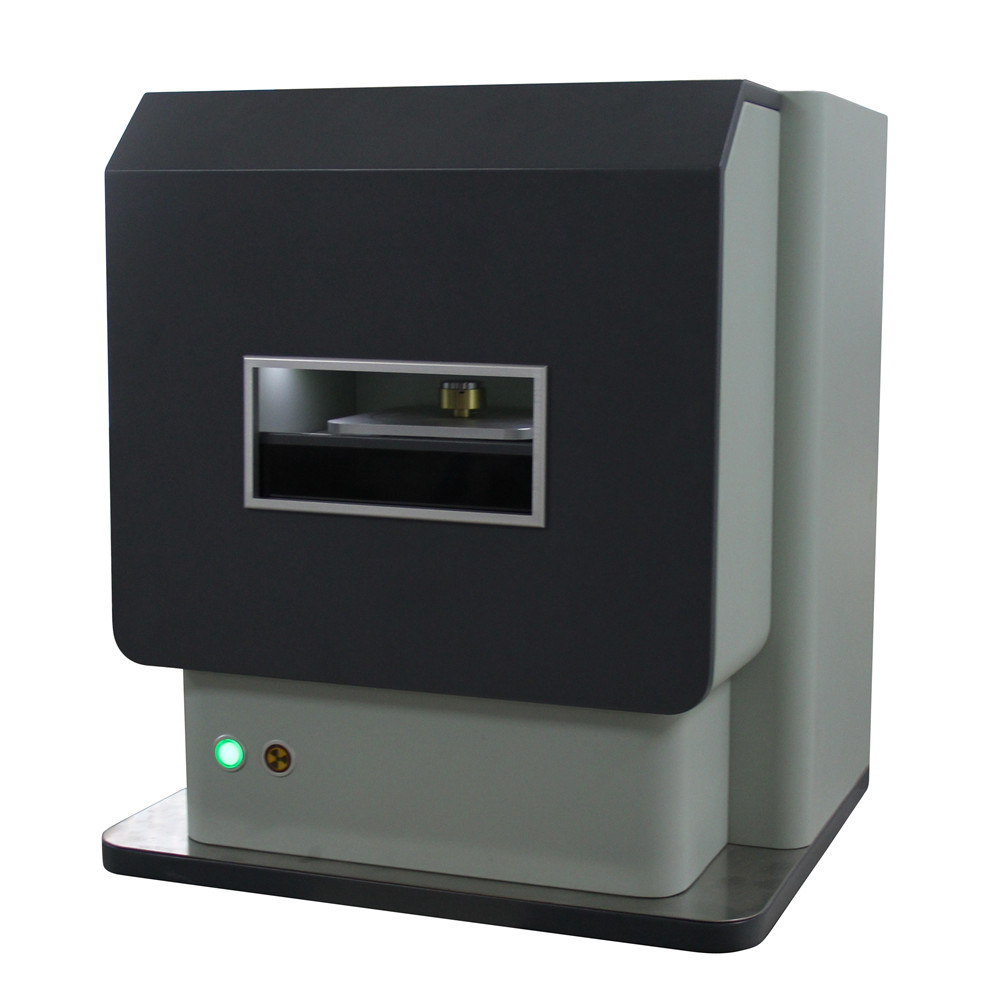
مطياف فلورية الأشعة السينية المشتتة للطاقة على سطح الطاولة
الإثارة بالأشعة السينية – إطلاق الفلورة المميزة – التحليل الطيفي النوعي والكمي.
1. ينبعث من أنبوب الأشعة السينية الخاص بالجهاز أشعة سينية أولية عالية الطاقة، مما يؤدي إلى تشعيع سطح عينة الخام المحضرة.
٢. في العينة، تمتص إلكترونات الغلاف الداخلي لكل ذرة من ذرات العناصر الطاقة وتُثار ثم تنطلق. وعندما تقفز إلكترونات الغلاف الخارجي لملء الفراغات، فإنها تُطلق إشعاعًا فلوريًا مميزًا للأشعة السينية بطاقة/طول موجي خاص بالعنصر.
3. يلتقط الكاشف إشارات التألق المميزة هذه ويحولها إلى إشارات كهربائية. بعد معالجتها بواسطة نظام التحليل، يتم تحديد نوع العنصر بناءً على طاقة/طول موجة التألق، ويتم حساب محتوى العنصر بناءً على شدة الإشارة.
ثانياً: المزايا
المزايا الأساسية لـ
الأشعة السينية المشتتة للطاقة
تكمن أهمية تقنية (EDXRF) للكشف عن الخامات في كفاءة الكشف، وسهولة التشغيل، والتكلفة، وقابلية التطبيق، وتحديداً:
1. تحضير بسيط للعينات وكشف سريع:
لا تتطلب عينات الخام عادةً سوى الطحن والضغط لتشكيل حبيبات، دون الحاجة إلى عمليات هضم معقدة. تستغرق دورة الكشف لعينة واحدة بضع دقائق فقط، مما يجعلها مناسبة للفحص السريع لمجموعات من الخامات.
2. التحليل المتزامن متعدد العناصر:
يمكنه تحديد العديد من العناصر الرئيسية والثانوية والنادرة في الخامات في وقت واحد، مما يلغي الحاجة إلى اختبار الدفعات ويحسن الكفاءة التحليلية بشكل كبير.
3. هيكل جهاز صغير الحجم وتكاليف صيانة منخفضة:
يتميز جهاز EDXRF المكتبي بصغر حجمه، وعدم حاجته إلى تجهيزات معقدة، وسهولة صيانته. كما أنه يتطلب بيئة مختبرية أقل تطلبًا من أجهزة سلسلة ICP، مما يجعله مناسبًا للمختبرات الصغيرة والمتوسطة الحجم أو مواقع الاختبار المؤقتة في المناجم.
4. الاختبارات غير المدمرة:
لا تتسبب عملية الاختبار في إتلاف عينة الخام، مما يسمح بالاحتفاظ بها لإعادة الاختبار أو إجراء تحليلات أخرى لاحقة.
5. فعالية عالية من حيث التكلفة:
تُعد تكاليف شراء وتشغيل المعدات أقل بكثير من الأجهزة مثل WDXRF و ICP-OES/MS، مما يلبي احتياجات التحليل العنصري الروتيني للخامات باستثمار أقل.
ثالثًا: معدات تحضير العينات الداعمة
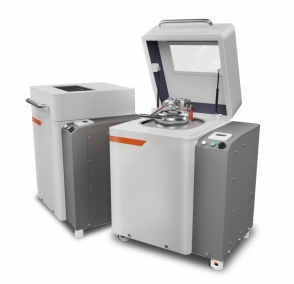
1. مطحنة الاهتزاز:
معدات طحن عينات الخام الأكثر استخدامًا، والقادرة على سحق قطع كبيرة من الخام بسرعة إلى مسحوق موحد بحجم 200-300 شبكة، مما يضمن توحيد عملية تحضير العينات عن طريق التكوير أو الصهر؛ بعض النماذج مزودة بتصميمات مضادة للتلوث، وهي مناسبة للكشف عن العناصر المتعددة.
2. آلة ضغط الأقراص:
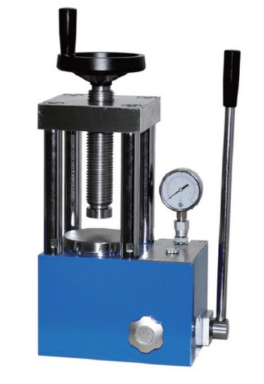
في عملية تحضير العينات لاختبار خام الأشعة السينية الفلورية، تلعب مكبس الأقراص دورًا حاسمًا في ضغط مسحوق الخام المطحون بشكل موحد (200-300 مش) إلى عينات ناعمة وكثيفة ومستديرة تحت ضغط عالٍ (عادة 10-40 طنًا).
3. آلة الصهر:
تُستخدم آلة الصهر في الاختبارات عالية الدقة، حيث تخلط عينات مسحوقة مع مادة صهر (مثل رباعي بورات الليثيوم)، ثم تصهرها في درجات حرارة عالية، وتبردها لتشكيل رقائق زجاجية. تُزيل هذه العملية تأثيرات حجم الجسيمات والمعادن في الخام، مما يُحسّن دقة الكشف بشكل ملحوظ.
يرجى الاتصال بنا لمزيد من الاستفسارات أو للحصول على معلومات مفصلة!
الهاتف: +86-183-5283 6805
البريد الإلكتروني: sales@jinyibo.com